What Makes Tennis Such a Restless Market for Live Betting
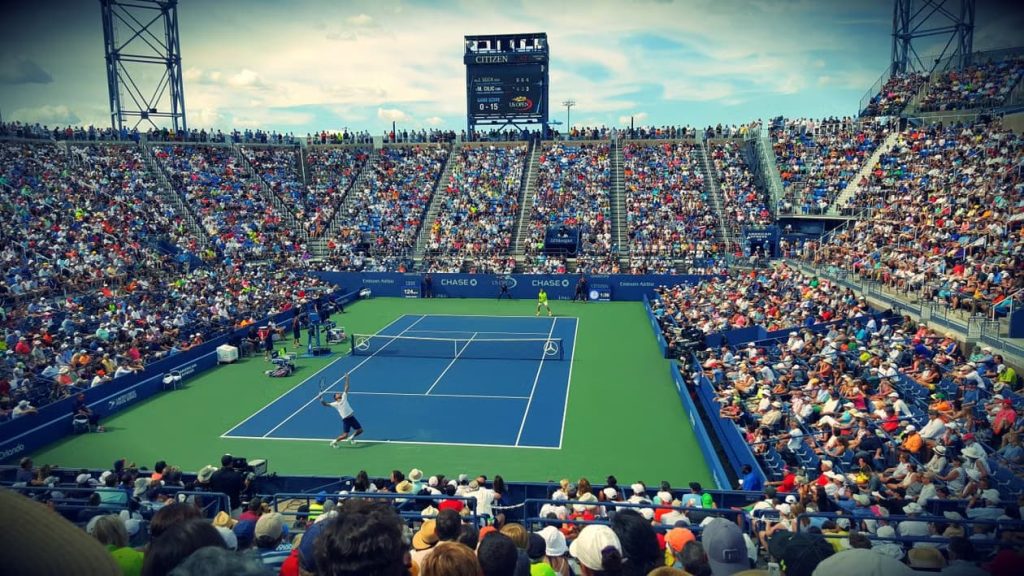
A tennis match never really pauses. Between the first serve and the final handshake, the favourite can change four or five times, and a single break of serve can move the price on a player by thirty percent in under a minute. For anyone watching odds rather than only the score, that constant motion is the whole attraction.
A typical football night gives one or two goals, so ninety minutes of prices mostly sit idle. Tennis produces a fresh scoring event roughly every thirty seconds, and readers who want to see how those shifting prices are laid out can browse the live markets on sankra and watch a set unfold against the numbers. Three or four games in, the rhythm of the swings stands out.
How Tennis Scoring Keeps Pushing Prices Up and Down
Tennis is built from nested contests. Compilers never treat a three hour match as a single event, since each service game carries a small forecast of its own. A player who holds serve wins roughly 80 percent of service games on tour, which means one lost service game is a rare event and the market reacts to it hard. Then there is the uneven value of rallies. A single shanked forehand at the wrong moment erases a quiet half hour, and the quoted price reacts before the crowd finishes groaning. After a rally like that, the entire match odds are recalculated, not merely the next game.
Several factors push prices around during a match:
- A break of serve, especially in the first set
- A medical timeout or visible limp
- A change in first serve percentage over three or four games
- Gusts, sun glare or sudden humidity on court
- A long deuce game that drains one player’s energy
How the Main Live Markets Compare
Five live markets cover nearly every tennis match, and each one reacts to play at its own tempo. The table below sets them side by side.
| Market | Coverage of the bet | Speed of change | Liquidity level |
| Match winner | Who wins the whole match | Moves on every break | Very deep |
| Set winner | Who takes the current set | Moves each game | Deep |
| Next game winner | Who wins the upcoming game | Moves every point | Moderate |
| Total games | Whether the match runs long or short | Shifts after holds and breaks | Moderate |
| Point winner | Who wins the next point | Resets after every rally | Shallow |
The Match Winner Market
This is the anchor of tennis pricing. With only two possible winners over three sets, each break lands straight on the price. Say a Wimbledon second seed opens at 1.50, slides to 2.60 after a lost first set, and is back near 1.70 by the time her forehand settles.
The key detail is that price movement in this market is rarely linear. An early break usually shifts the price further than a later one, since it reveals current form that no pre match model could see.
Game and Point Markets
Shorter markets exist for the viewers who want action every minute. Next game winner ticks over the fastest, because a favourite on serve is expected to hold and a stumble reprices it in seconds.
Point level markets are the most extreme. Each rally wipes the slate, and the bookmaker’s cut sits noticeably higher here than on the outright result. Speed is the draw, and honestly nothing much beyond it, which is fine. Regulars tend to use them as a lens on the rally rather than a market to lean on.
What the Pace Means for Anyone Following Along
The data feed matters more than any opinion. On a minor tour, a lone scorer taps in each point by hand, and the video stream often runs a few seconds apart from the numbers on screen:
- Suspensions after big points
- Stale prices on lower tier events
- Odd seconds when the board lags behind the court
Veteran followers glance at the serve numbers first and the odds second. A server whose first deliveries drop from 68 percent in to 54 is usually in trouble a game or two before the scoreboard admits it. Tennis rewards patience for one simple reason. Because the scoreboard changes so often, one wobble rarely settles a match, and a few more games are usually needed before a real change in form stands apart from random noise.