NFTs Explained for Beginners: Beyond the Hype
Risk disclaimer: Cryptocurrencies and NFTs are highly volatile. You can lose some or all of the money you put into them, and this article is not financial advice. Nothing here is a recommendation to buy or sell any digital asset. Do your own research, and never spend money you cannot afford to lose.
If you have spent any time online in the past few years, you have almost certainly heard about NFTs. You may have seen headlines about digital artwork selling for eye-watering sums, celebrities launching collections, or gamers trading virtual items. You may also have seen the backlash: people calling NFTs a scam, a bubble, or a solution looking for a problem. The truth, as usual, sits somewhere in the middle, and it is much less dramatic than either extreme suggests.
This guide strips away the hype. It explains what an NFT actually is, how the technology works in plain language, what NFTs are genuinely useful for, where the risks lie, and how to think clearly about them if you are curious. You do not need a technical background to follow along, and you do not need to buy anything to understand the idea.
What an NFT Actually Is
NFT stands for non-fungible token. The word “fungible” is the key to the whole concept. Something fungible is interchangeable with another thing of the same kind. A dollar bill is fungible: one dollar is worth the same as any other dollar, and swapping one for another changes nothing. A bitcoin is fungible in the same way. One bitcoin equals any other bitcoin.
Something non-fungible is unique, or at least distinct in a way that matters. Your house is non-fungible. Your passport is non-fungible. A painting is non-fungible, even if prints of it exist, because the original is one specific object with its own history. An NFT applies that idea to digital items. It is a unique digital record, stored on a blockchain, that points to something: an image, a song, a video clip, a game item, a ticket, or a membership pass.
Think of an NFT as a digital certificate of ownership, or more precisely, a digital record that says a particular wallet address controls a particular token. That token is different from every other token, even tokens in the same collection. It has its own identifier, and its history of transfers is visible on the blockchain for anyone to check.
What You Actually Own When You Buy an NFT
This is where most confusion begins, so let us be precise. When you buy an NFT, you generally own the token itself, not the copyright to the underlying artwork or content, and not necessarily exclusive control over the file. The image linked to an NFT can usually still be viewed, copied, and shared by anyone online. Right-clicking and saving the image does not give someone your token, but it does mean the picture itself is not private or locked away.
What the token gives you depends on the project. Sometimes it is simply a collectible, like a digital trading card. Sometimes it comes with benefits: access to a community, entry to events, early access to future releases, or commercial usage rights that the creator has spelled out in the terms. Sometimes it represents a real-world item, such as a ticket or a certificate of authenticity. The important habit is to read what a specific NFT actually entitles you to before assuming anything. Two NFTs can look identical in a marketplace listing and carry completely different rights.
A useful analogy is a signed concert poster. Owning the signed poster does not mean you own the song, the band’s name, or the right to reproduce the poster for sale. It means you own that particular physical object, with its signature and its story. An NFT is similar, except the object is digital and its ownership history is recorded publicly on a blockchain.
How NFTs Work, in Plain Language
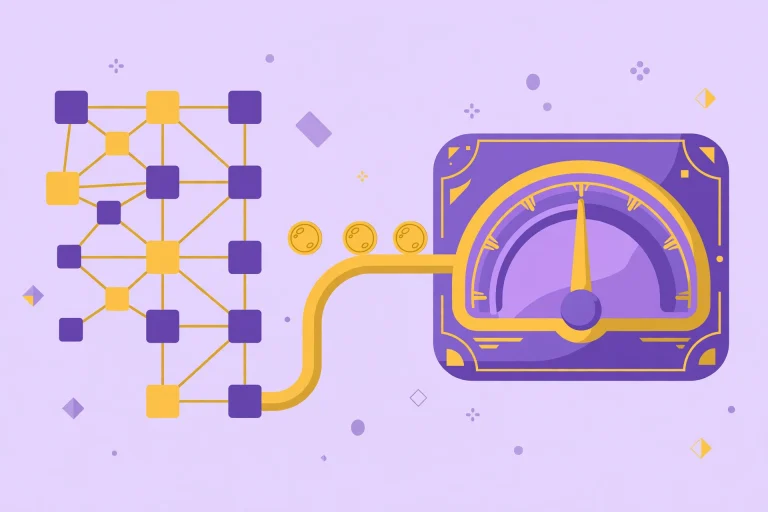
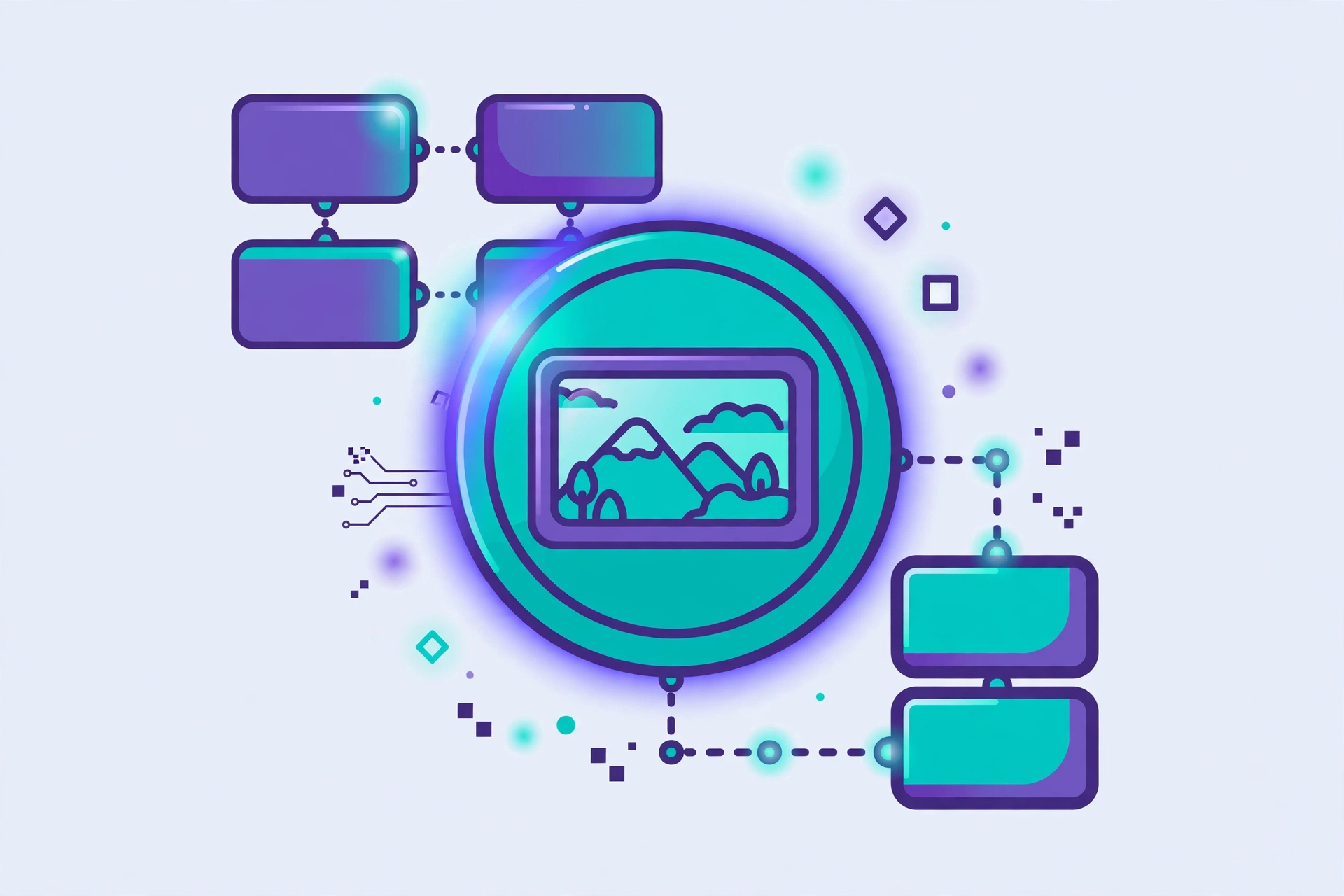
An NFT lives on a blockchain, which is a shared, tamper-resistant ledger maintained by many computers rather than a single company. When an NFT is created, a process called minting, a new token is recorded on that blockchain with a unique identifier and a link to its associated content or metadata. That metadata might include the name of the piece, a description, the creator’s wallet address, and a link to where the media file is stored.
The media file itself is often not stored directly on the blockchain, because blockchains are expensive places to store large files. Instead, the token usually points to a file hosted elsewhere, such as a decentralised storage network or a regular web server. This distinction matters. If the linked file disappears or the hosting stops, the token still exists, but the thing it points to may no longer load. Serious projects use durable storage, but not all do, and it is worth checking before you buy.
Ownership transfers work like this. When you buy an NFT on a marketplace, a transaction is recorded on the blockchain moving the token from the seller’s wallet to yours. Anyone can verify that transfer by looking at the blockchain record. That public verifiability is the core technical promise of NFTs: provenance you can check without trusting a single middleman’s private database.
Most NFTs today are built on established token standards. You do not need to memorise the standard names, but it helps to know that different blockchains have different fees, speeds, and ecosystems. Moving an NFT between blockchains is not always simple, and fees for minting or trading, often called gas fees, can vary wildly depending on network congestion. A cheap-looking NFT can become expensive once fees are added, so always check the total cost before confirming a transaction.
Why People Buy NFTs
People buy NFTs for many different reasons, and understanding the motivation helps you judge whether a particular purchase makes sense for you.
Some buyers are collectors. They enjoy owning a piece of digital culture, supporting an artist directly, or completing a set. For them, the value is personal, much like collecting vinyl records or sports cards. The resale price matters less than the enjoyment of owning it.
Some buyers are speculators. They hope the NFT will rise in value so they can sell it later at a profit. This is the riskiest motivation, and the one most associated with hype cycles. Prices in NFT markets can swing violently, liquidity can vanish, and many collections lose most of their value. If speculation is your reason, the risk disclaimer at the top of this article applies with full force.
Some buyers want utility. They buy an NFT because it unlocks something: membership in a community, access to a game, a ticket to an event, or a discount. In these cases, the NFT is more like a key than an investment. Judging it means judging the underlying benefit, not guessing at price movements.
Some buyers are creators or builders. Artists use NFTs to sell work directly to supporters, to receive royalties on secondary sales where the platform supports them, and to prove authenticity. Musicians, photographers, and game developers have all experimented with NFTs as a way to fund work and reward early supporters. For creators, the technology is a tool, and like any tool, its value depends on how it is used.
Real Uses Beyond Digital Art
Digital art grabbed the headlines, but it is only one application, and arguably not the most interesting one. Here are several areas where the underlying idea, a verifiable, transferable digital record, is being explored.
Gaming is a natural fit. In many games, players already spend money on skins, weapons, and characters, but those items are usually locked inside one company’s servers. If the game shuts down, the items vanish. NFTs offer a model where items could, in principle, be owned by players and traded outside the game, although in practice this depends entirely on whether game developers support it. Not every game item needs to be an NFT, and many games work perfectly well without them.
Event ticketing is another promising area. A ticket as an NFT could prove authenticity, reduce counterfeiting, and let organisers set rules about resale, such as capping resale prices or receiving a share of resales. Attendees could also keep a verifiable record of events they attended. Several festivals and sports organisations have experimented with this, though mainstream adoption is still early.
Membership and loyalty programmes are a quieter but practical use. A brand or community can issue NFTs as membership passes, granting holders access to exclusive content, early product releases, or voting rights in a community. Unlike a password or a plastic card, the pass is transferable and its history is checkable, which can make secondary markets for membership more transparent.
Certificates and credentials are another possibility. Diplomas, professional certifications, and proof of attendance could be issued as verifiable tokens that anyone can check without calling the issuing institution. This is still experimental in most places, and traditional institutions move slowly, but the concept is straightforward.
Real estate and physical collectibles have also been discussed, where an NFT represents ownership or a share of a physical asset. These cases are more complex, because they depend on legal frameworks in the real world, not just code on a blockchain. A token alone does not change property law. Treat any project claiming to tokenise real-world assets with extra scepticism, and check what legal backing actually exists.
The Risks and Criticisms You Should Know
A beginner’s guide that only talked about the upside would be misleading, so here are the honest downsides.
Volatility and illiquidity come first. NFT prices can crash, and unlike shares in a large company, many NFTs have very few buyers at any given moment. You might be unable to sell at any price close to what you paid, or unable to sell at all. Past sale prices of similar items do not guarantee a future buyer.
Scams are widespread. Fake marketplaces, phishing sites that mimic real ones, counterfeit collections that copy a popular artist’s work, and social media accounts impersonating creators are all common. Never connect your wallet to a site you reached through an unsolicited message, never share your wallet’s recovery phrase with anyone, and verify a collection’s authenticity through the creator’s official channels before buying.
Copyright confusion is real. Buying an NFT does not usually mean you own the copyright, and minting someone else’s work as an NFT does not make it yours. Creators have had their art stolen and minted without permission. If you are a creator, understanding your rights matters just as much as if you are a buyer.
Environmental concerns were a major criticism, particularly for blockchains using energy-intensive proof-of-work consensus. Many major NFT platforms have moved to more energy-efficient systems, but the footprint varies by blockchain. If this matters to you, check which blockchain a project uses and how it reaches consensus before forming a judgement.
Hype and wash trading distort prices. In some cases, the same people trade an NFT back and forth between wallets they control to create the illusion of demand and high prices. A high last-sale price does not always mean genuine market interest. Look at the number of unique buyers, the trading history, and the community behind a project, not just the headline price.
Finally, regulation is still evolving. Tax treatment of NFT sales varies by country, and in some places it is unclear or changing. Keep records of your transactions, and if you trade in significant amounts, consider speaking to a qualified tax professional in your jurisdiction.
How to Explore NFTs Safely
If you are curious and want to explore without taking reckless risks, a cautious approach works well.
Start by learning, not buying. Browse marketplaces, read project documentation, follow creators, and watch how collections behave over weeks and months. You will learn more from observation than from a rushed purchase.
If you do decide to buy, start small, with an amount you are fully prepared to lose. Use a reputable marketplace, double-check the collection’s official links, and confirm the total cost including fees before you approve anything. Keep your wallet’s recovery phrase offline and private, and consider using a separate wallet for experimenting rather than your main holdings.
Ask simple questions before any purchase. Who created this, and can I verify that? What do I actually get: the token, any rights, any utility? Is there a real community or use, or only price speculation? Can I explain to a friend why this is worth something? If you cannot answer those questions, you are not ready to buy that item.
Remember that not participating is also a valid choice. You can understand NFTs, appreciate the technology, and still decide they are not for you. The technology will still be there later if you change your mind.
Frequently Asked Questions
Is an NFT the same as a cryptocurrency?
No. A cryptocurrency like bitcoin is fungible: each unit is interchangeable with another. An NFT is non-fungible: each token is unique and not interchangeable with another token, even within the same collection. Both use blockchain technology, but they serve different purposes.
Can anyone copy the image linked to my NFT?
Yes, in most cases anyone can view or copy the image file. What they cannot copy is your token and its ownership record on the blockchain. The token is what makes your NFT distinct, not exclusive control over the image file itself.
Do NFTs have to be expensive?
Not at all. Many NFTs are minted or traded for very small amounts, and some projects distribute them for free as membership passes or collectibles. Headline sales of expensive pieces are the exception, not the rule, and they should not shape your expectations.
Can I make money from NFTs?
Some people have, and many people have lost money. NFT markets are speculative, illiquid, and full of scams. Treat any purchase as a high-risk expense, not as a reliable investment, and never borrow money or use savings you need in order to buy one.
Are NFTs bad for the environment?
It depends on the blockchain. Energy-intensive proof-of-work blockchains have a larger footprint, while proof-of-stake and similar systems use far less energy. Check the specific blockchain a project uses rather than assuming all NFTs have the same impact.
What happens if the marketplace shuts down?
Your NFT lives on the blockchain, not on the marketplace’s private servers, so the token itself does not disappear if one marketplace closes. However, the linked media file might become harder to access if it was hosted by that marketplace, and trading the token would require another marketplace that supports the same blockchain.
Conclusion
NFTs are best understood as a simple idea with many possible applications: a unique, publicly verifiable digital record that can represent ownership, membership, access, or authenticity. The hype cycles around digital art and speculation have obscured that idea, but they have not erased it. The technology is real, the use cases beyond art are genuinely interesting, and the risks, from volatility and scams to copyright confusion, are equally real.
If you take one thing from this guide, let it be the habit of asking what a specific NFT actually gives you, who stands behind it, and whether you would still want it if its price never went up. Answer those questions honestly, keep any spending to money you can afford to lose, and you will be approaching NFTs with far more clarity than most people who jumped in during the height of the hype.
For more beginner-friendly explainers, explore our guides on Bitcoin for beginners and crypto wallets, and check our AI tools guides for how new technology is changing creative work. External reading from informational sources only: Wikipedia on non-fungible tokens.