What Is Bitcoin?
Risk Disclaimer — Please Read First: Cryptocurrency is volatile. Prices can rise and fall sharply, sometimes within hours, and you can lose everything you put in. Nothing in this article is financial advice. Never use money you need for rent, food, fees or emergencies, and never borrow money to buy crypto.
What Is Bitcoin? A Beginner’s Guide to BTC, Mining and Risks
Bitcoin is the first and best-known cryptocurrency, and for most people it is the first coin they ever hear about. Yet a lot of beginners buy it before they can answer a simple question: what actually is it? This guide fixes that. No hype, no price predictions — just what Bitcoin is, where new coins come from, and why it deserves both interest and caution.
If you are still deciding how you would even hold a coin like this, read our guide to crypto wallets for beginners alongside this one. Both live in the Crypto section of Stylish Namees.
Bitcoin in One Simple Paragraph
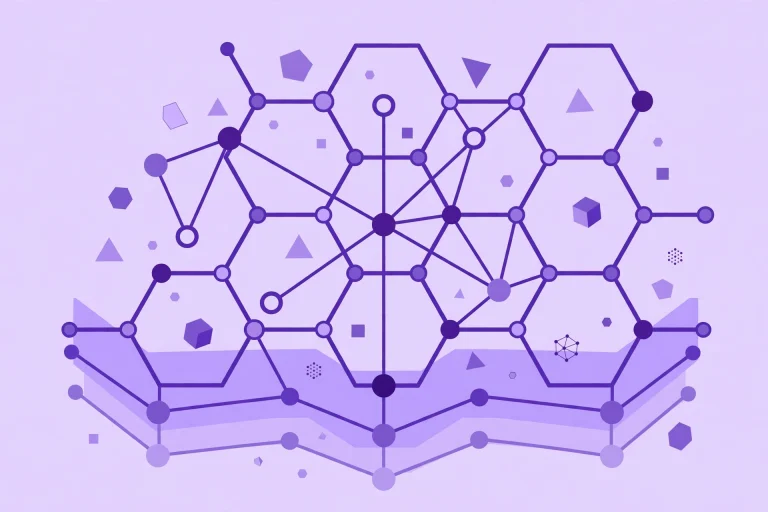
Bitcoin is digital money that runs on a public network of computers instead of inside one bank. There is no Bitcoin company, no head office and no customer-service desk. The rules are written in software that anyone can inspect, and thousands of computers around the world keep identical copies of the full transaction record. That record is called the blockchain. When people say “BTC”, they simply mean the unit of that money — the same way “rupee” or “dollar” names a unit of ordinary money.
The system was described in 2008 in a short paper published under the name Satoshi Nakamoto, and the network started in 2009. The Bitcoin overview on Wikipedia covers the history in detail if you want to go deeper after this introduction.
What Makes Bitcoin Different From Bank Money?
Three differences matter for a beginner:
No single controller. A bank can freeze an account or reverse a payment. On the Bitcoin network, a confirmed transfer cannot be reversed by anyone — which is a strength for the receiver and a danger for anyone who sends to the wrong address.
A fixed supply. The software caps the total number of bitcoins that will ever exist at 21 million. New coins are released slowly, on a schedule written into the code, and nobody can vote to print extra. Supporters say this scarcity is the point; critics reply that a fixed supply does not stop the price from swinging wildly. Both things are true.
A public record. Every transfer is visible on the blockchain for anyone to check. Bitcoin is often called anonymous, but “pseudonymous” is more accurate: addresses are not names, yet transactions can be traced, and exchanges that verify identity can connect an address to a person.
Where Do Bitcoins Come From? Mining Explained
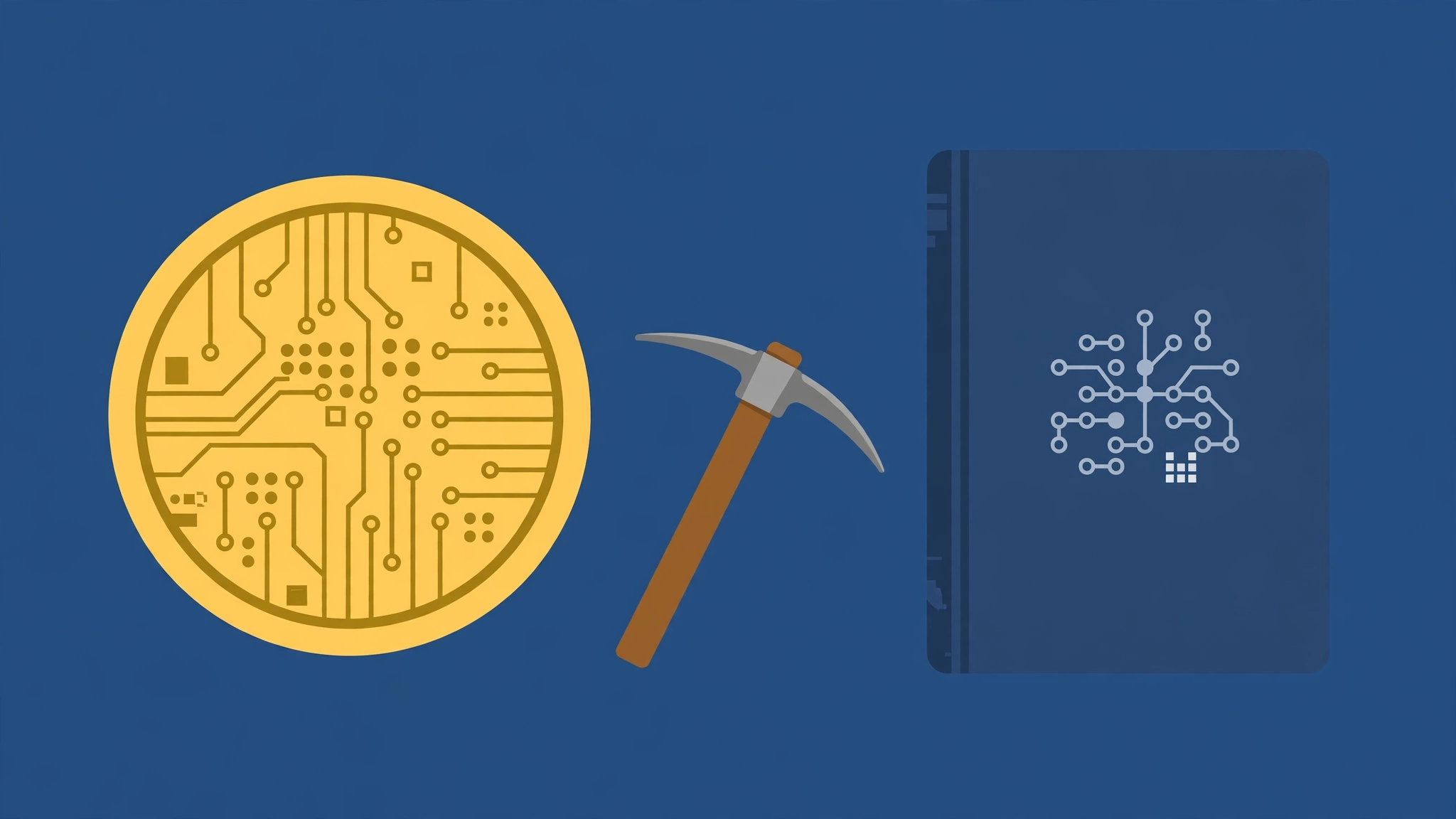
New bitcoins enter circulation through mining, a word that misleads a lot of people. Miners are not digging anything up. They are doing checking work.
Every few minutes, pending Bitcoin transfers from around the world are grouped into a “block”. Computers in the mining network compete to solve a maths puzzle attached to that block. The first computer to solve it gets to add the block to the chain, and it receives a reward of newly created bitcoins plus the small fees attached to those transfers. All the other computers verify the result, which is fast and cheap to check even though it was expensive to produce.
This design is the security system. To fake a transaction, an attacker would need to redo that expensive work faster than the entire honest network combined. Bitcoin.org, the project’s long-running information site, walks through this process step by step.
Two mining facts beginners should know:
- The reward shrinks over time. Roughly every four years, an event called the halving cuts the block reward in half. This is the schedule that keeps total supply under the cap.
- Mining uses a lot of electricity. The puzzle competition is deliberately energy-hungry, which is one of the most common criticisms of Bitcoin. Supporters and critics argue about how that energy is sourced; what is not in doubt is that the consumption is large, and it is a fair thing to weigh before you buy.
How Do You Actually Own Bitcoin?
You do not hold a file or a coin. What you hold is a key. Every Bitcoin amount sits at an address on the blockchain, and a private key — a long secret code — is what proves the amount is yours and lets you spend it. Wallets are the apps and devices that manage those keys for you.
That is why the saying “not your keys, not your coins” exists. Bitcoin left on an exchange is controlled by the exchange’s keys, not yours. We explain the choices properly in our crypto wallets guide, and it is worth reading before any amount that matters to you is involved.
Why Does the Bitcoin Price Move So Much?
Bitcoin trades around the clock, across the world, on markets that never close. Its price is set purely by buyers and sellers at each moment, and several forces push it around:
- Sentiment and news. A regulation headline, a big company buying or selling, or a failure at a major platform can move the price within minutes.
- Thin markets compared with major currencies. Far less Bitcoin changes hands daily than dollars or euros, so large orders move the price more.
- Expectations about the halving and supply. Some buyers treat the shrinking new supply as a reason to expect higher prices. Expectation is not a guarantee, and past cycles do not promise future ones.
If price charts themselves confuse you, our beginner guide to reading a crypto price chart explains candlesticks and the basic patterns in plain language.
The Risks Beginners Underestimate
Total loss is possible. Exchanges fail, passwords are forgotten, keys are stolen, and prices can fall hard and stay down for a long time. Treat any money in Bitcoin as money you might never see again.
Scams target Bitcoin first. Because it is the famous name, it is the bait in most fake giveaways, doubling schemes and fraudulent “investment managers”. Our guide to stablecoins and their hidden risks covers the dollar-pegged side of the market, but the scam warnings there apply to BTC offers too: guaranteed returns do not exist.
There is no undo button. A transfer to a wrong or fraudulent address is gone. Bank chargebacks do not exist here.
Rules differ by country. Buying, holding or cashing out crypto is regulated, restricted or taxed differently depending on where you live. Check your local position on an official source before you start, not after.
Frequently Asked Questions
Who controls Bitcoin?
Nobody and everybody. The software rules are public, changes require broad agreement among the people running the network, and no company can alter your balance or print extra coins.
Do I have to buy a whole Bitcoin?
No. One bitcoin divides into 100 million tiny units called satoshis, so you can buy a very small fraction. Owning 0.001 BTC is still owning Bitcoin.
Is Bitcoin the same as blockchain?
No. Blockchain is the record-keeping method — a chain of blocks of transactions. Bitcoin is the first and largest system built on it. Many other networks use similar ideas for different purposes.
Can Bitcoin be hacked?
The core network has run since 2009 without its central record being rewritten. What does get hacked, regularly, are exchanges, wallets and individual users — weak passwords, phishing and stolen keys. The danger sits at the edges, not the centre.
Is Bitcoin a good investment?
That is a decision nobody can make for you, and this site does not give financial advice. What is certain is that it is high-risk and highly volatile. Learn how it works first, start only with money you can afford to lose, and be suspicious of anyone who promises it will definitely rise.
Conclusion
Bitcoin is a public, software-run money system with a capped supply, a transaction record anyone can check, and new coins issued as a reward for the checking work called mining. Those are genuinely new ideas. They also come with sharp price swings, irreversible transfers and a crowd of scammers using its name. Understand it first, hold your keys carefully, and let the learning come before the money. More plain-language guides like this are in the Crypto section on Stylish Namees.