What Is Polygon (MATIC)? A Beginner’s Guide
What Is Polygon (MATIC)? A Beginner’s Guide
Risk disclaimer: Cryptocurrencies are highly volatile. Prices can rise and fall sharply, and you can lose all of the money you put in. Nothing in this article is financial advice — it is an educational explanation of how Polygon works. Never invest money you cannot afford to lose, and do your own research before buying any cryptocurrency.
If you have used Ethereum, you have probably noticed its two biggest frustrations: transactions can be slow when the network is busy, and fees can spike to levels that make small transactions pointless. Polygon was built to fix exactly that problem. It is one of the best-known “scaling” projects in crypto, and understanding it is a good way to understand a whole category of blockchain technology.
This guide explains what Polygon is, how it relates to Ethereum, what the MATIC token does, and what risks beginners should keep in mind.
The Problem Polygon Solves
Ethereum is the most widely used platform for decentralised applications — the apps, games, exchanges, and financial tools that run on a blockchain rather than on a company’s servers. But Ethereum’s design has a bottleneck: it can only process a limited number of transactions per second. When demand exceeds that capacity, users compete for space by offering higher fees, and fees rise. During busy periods, a simple transaction can cost more than the thing being bought.
This is sometimes called the blockchain trilemma: a network can optimise for security, decentralisation, and scalability, but improving one often means compromising another. Ethereum prioritised security and decentralisation, which left scalability as the weak point. Polygon, and projects like it, exist to relieve that pressure without asking Ethereum itself to change.
If you are new to crypto overall, our beginner’s guide to Bitcoin (https://stylishnamees.com/what-is-bitcoin-beginners-guide-btc-mining-risks/) explains blockchains, mining, and wallets from the ground up, and our crypto wallets guide (https://stylishnamees.com/crypto-wallets-beginners-2026-choose-stay-safe/) covers how to store tokens safely — both are useful background before diving into a specific project like Polygon.
What Is Polygon, Exactly?
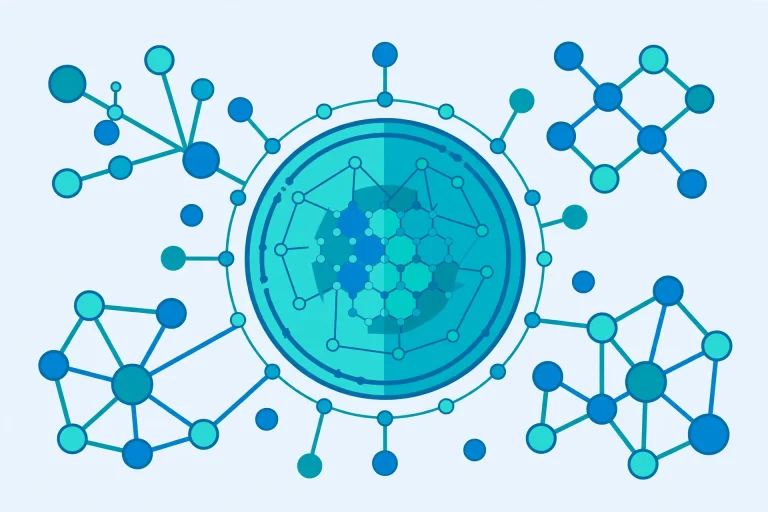
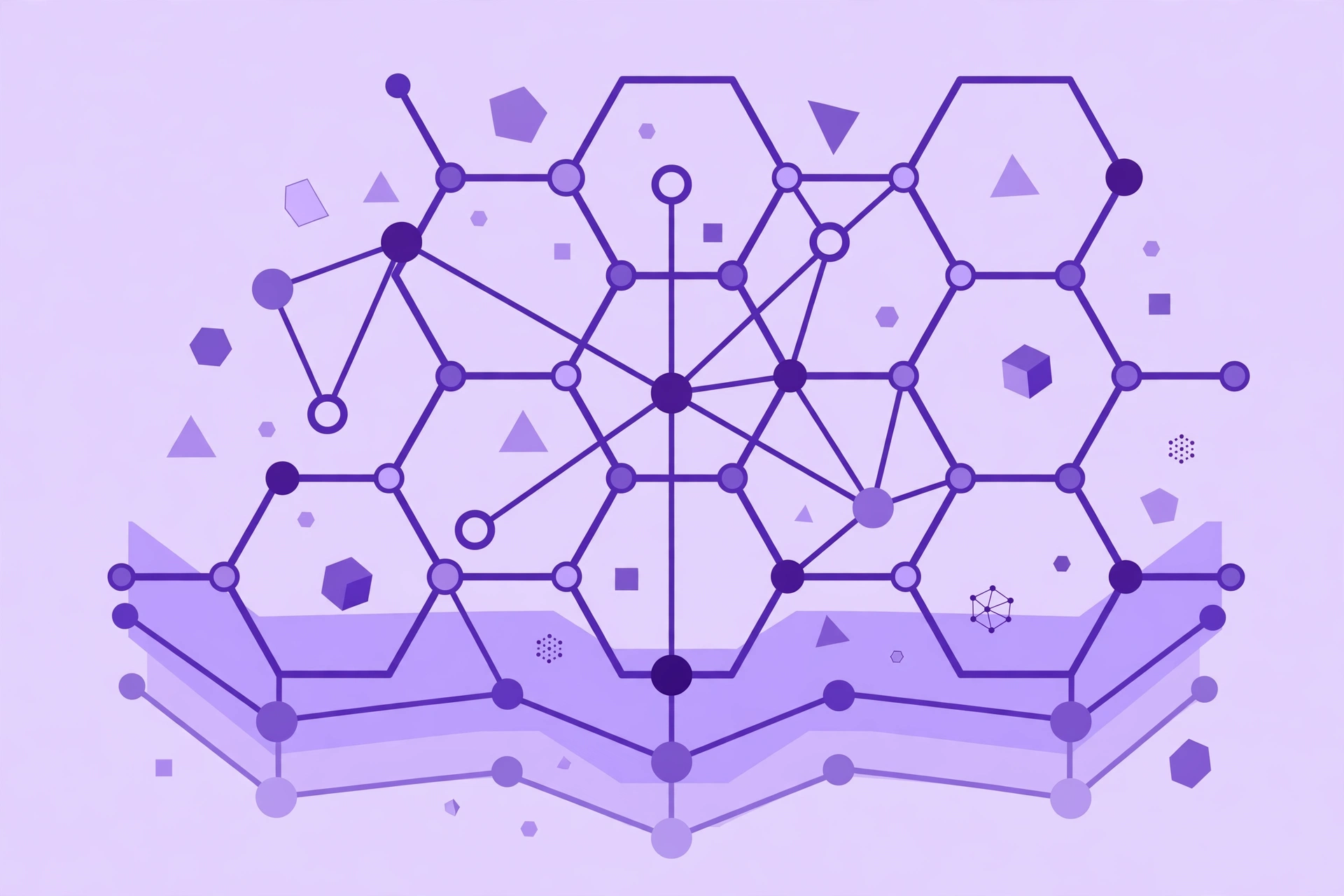
Polygon is a network that runs alongside Ethereum and is designed to make Ethereum-based activity faster and cheaper. In its best-known form, it operates as a “sidechain”: a separate blockchain with its own validators that is connected to Ethereum by a bridge, allowing assets to move between the two networks.
Think of Ethereum as a busy motorway and Polygon as a parallel express lane. Traffic that would clog the motorway can move onto the express lane, travel faster and cheaper, and rejoin the motorway when needed. Applications built for Ethereum can run on Polygon with minimal changes, because Polygon is compatible with Ethereum’s programming environment — developers do not have to rebuild their apps from scratch.
Polygon also describes itself as a broader scaling framework. Over time, it has developed and acquired several different scaling technologies, including rollups, which bundle many transactions together and post a summary to Ethereum. The details of each technology are complex, but the goal is consistent: let users do more, faster, and cheaper, while still benefiting from Ethereum’s security and ecosystem.
What Is MATIC Used For?
MATIC is Polygon’s native token, and it has three main roles on the network.
First, it pays transaction fees. Just as Ethereum users pay fees in ETH, Polygon users pay fees in MATIC — but because Polygon is less congested, those fees are typically a tiny fraction of Ethereum’s. This is the reason most ordinary users encounter MATIC: it is the small amount of fuel that makes transactions on the network work.
Second, it secures the network through staking. Validators — the computers that check transactions and add them to the blockchain — must stake MATIC as a kind of security deposit. If they behave dishonestly, they can lose some of that stake. Users who do not run a validator can delegate their MATIC to one and earn a share of the rewards, though this involves trusting the validator and accepting that rewards are not guaranteed.
Third, MATIC is used in the network’s governance, letting holders vote on certain proposals about the network’s future. In practice, governance participation by ordinary holders is low, and the token’s fee and staking roles matter more to most users.
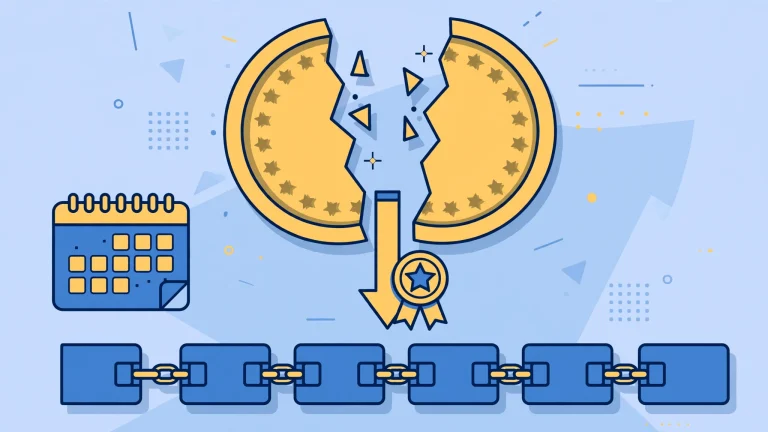
One important note: Polygon has announced a transition from MATIC to a new token called POL as part of its longer-term upgrade plans. If you are researching Polygon today, check which token a given app, exchange, or wallet is referring to, because the migration has caused confusion for beginners who hold one token and see the other mentioned.
How People Actually Use Polygon
For most users, Polygon is invisible infrastructure. You might use it without ever thinking about it — for example, when you use a decentralised exchange, a blockchain game, or an NFT marketplace that runs on Polygon because fees are lower than on Ethereum. Transactions confirm in seconds rather than minutes, and the fee is small enough that buying a low-cost digital item actually makes sense.
Developers choose Polygon for the same reasons: their users get a smoother experience, and the apps remain compatible with the wider Ethereum ecosystem. That compatibility is Polygon’s biggest strength. Rather than asking developers and users to abandon Ethereum, it extends Ethereum’s reach.
It is also worth noting that Polygon is not the only scaling approach. Other projects take different routes — some build on Ethereum directly, some build entirely separate chains. Comparing them is a rabbit hole, and for a beginner, the important distinction is simpler: Polygon is an Ethereum-connected network designed for speed and low cost, not a standalone rival to Ethereum.
The Risks Beginners Should Understand
Polygon, like every crypto project, carries risks that have nothing to do with its technology working as intended.
Price volatility. MATIC’s price can swing sharply, like all cryptocurrencies. A token that seems stable for months can drop significantly in days. Never buy based on the assumption that the price will recover or keep rising.
Bridge risk. Moving assets between Ethereum and Polygon uses a bridge, and bridges have been among the most hacked pieces of crypto infrastructure. A bridge exploit can affect user funds even when both blockchains themselves are functioning normally. If you use a bridge, understand that it is an additional point of risk.
Smart contract risk. Apps on Polygon are software, and software has bugs. A flaw in a popular app’s code can lead to lost funds, regardless of how sound Polygon itself is. This applies to every blockchain, not just Polygon.
Regulatory uncertainty. Crypto regulation varies by country and is still evolving. Rules about tokens, exchanges, and taxation can change, and they can affect whether and how you can use a network. Our crypto taxes basics guide (https://stylishnamees.com/crypto-taxes-basics-beginners-what-to-track/) explains what kinds of records are worth keeping from the start, wherever you live.
Project risk. Polygon’s roadmap, including the MATIC-to-POL transition, means the ecosystem is still changing. A project that is mid-upgrade can confuse users, wallets, and exchanges, and confusion in crypto is where mistakes — sending the wrong token to the wrong address — happen.
None of this means Polygon is a bad project. It means that “the technology works” and “your money is safe” are two different statements, and beginners should not confuse them.
How to Get Started Safely
If you want to explore Polygon, start by learning rather than buying. Read the project’s own documentation, try a testnet or a small amount you can afford to lose, and practise using a wallet before moving any meaningful sum. Our wallets guide (https://stylishnamees.com/crypto-wallets-beginners-2026-choose-stay-safe/) explains the difference between custodial and non-custodial wallets, and why your recovery phrase must never be shared with anyone or entered into any website that asks for it.
When you do transact, double-check addresses character by character, confirm which network you are on before sending, and remember that crypto transactions are generally irreversible. Sending MATIC to an Ethereum address, or tokens to the wrong network, can mean permanent loss. Start small, confirm each step works, and only then scale up.
Frequently Asked Questions
Is Polygon the same as Ethereum?
No. Polygon is a separate network that works alongside Ethereum and is compatible with it. It is designed to make Ethereum-based activity faster and cheaper, not to replace Ethereum.
Is MATIC the same as POL?
POL is the newer token introduced as part of Polygon’s upgrade plans, intended to eventually replace MATIC in the ecosystem. The migration has been gradual, and both names appear in wallets and exchanges, so always check which token a specific app expects.
Why are Polygon fees so much lower than Ethereum’s?
Because Polygon processes transactions on its own chain with higher throughput and less congestion, so users do not need to outbid each other with high fees. Lower demand for block space means lower fees.
Can I use my Ethereum wallet on Polygon?
Most Ethereum-compatible wallets support Polygon, because both networks use the same address format and tooling. You usually need to add the Polygon network to your wallet’s settings and hold a small amount of MATIC for fees.
Is Polygon a good investment?
This article cannot answer that, and anyone who confidently tells you it is — or is not — is giving you financial advice you should treat with scepticism. Evaluate the technology, the risks, and your own financial situation, and never invest more than you can afford to lose entirely.
Conclusion
Polygon exists because Ethereum, for all its strengths, is slow and expensive when busy. By running a compatible, high-speed network alongside Ethereum, Polygon lets users transact faster and cheaper while staying connected to Ethereum’s ecosystem. MATIC fuels that network, secures it through staking, and plays a role in its governance.
For beginners, Polygon is a useful case study in how crypto scaling works — and in why “works well” is not the same as “safe investment.” Understand the technology, respect the risks, keep your amounts small while learning, and never let anyone rush you into buying. The network will still be there tomorrow. Your money, once sent to the wrong address or invested on a stranger’s promise, may not be.