Hot vs Cold Crypto Wallets for Beginners: Which Keeps Your Coins Safer?
Cryptocurrency is volatile and risky. Prices can fall sharply, projects can fail, and you can lose everything you put in. This article is for education only and is not financial advice. Do your own research, never invest money you cannot afford to lose, and consider speaking to a qualified financial adviser before making any decision.
One of the first decisions every crypto beginner has to make is where to keep their coins. It sounds like a simple question, but the answer shapes everything else: how easily you can trade, how safe your funds are from hackers, and what happens if you lose your phone, forget a password, or fall for a scam.
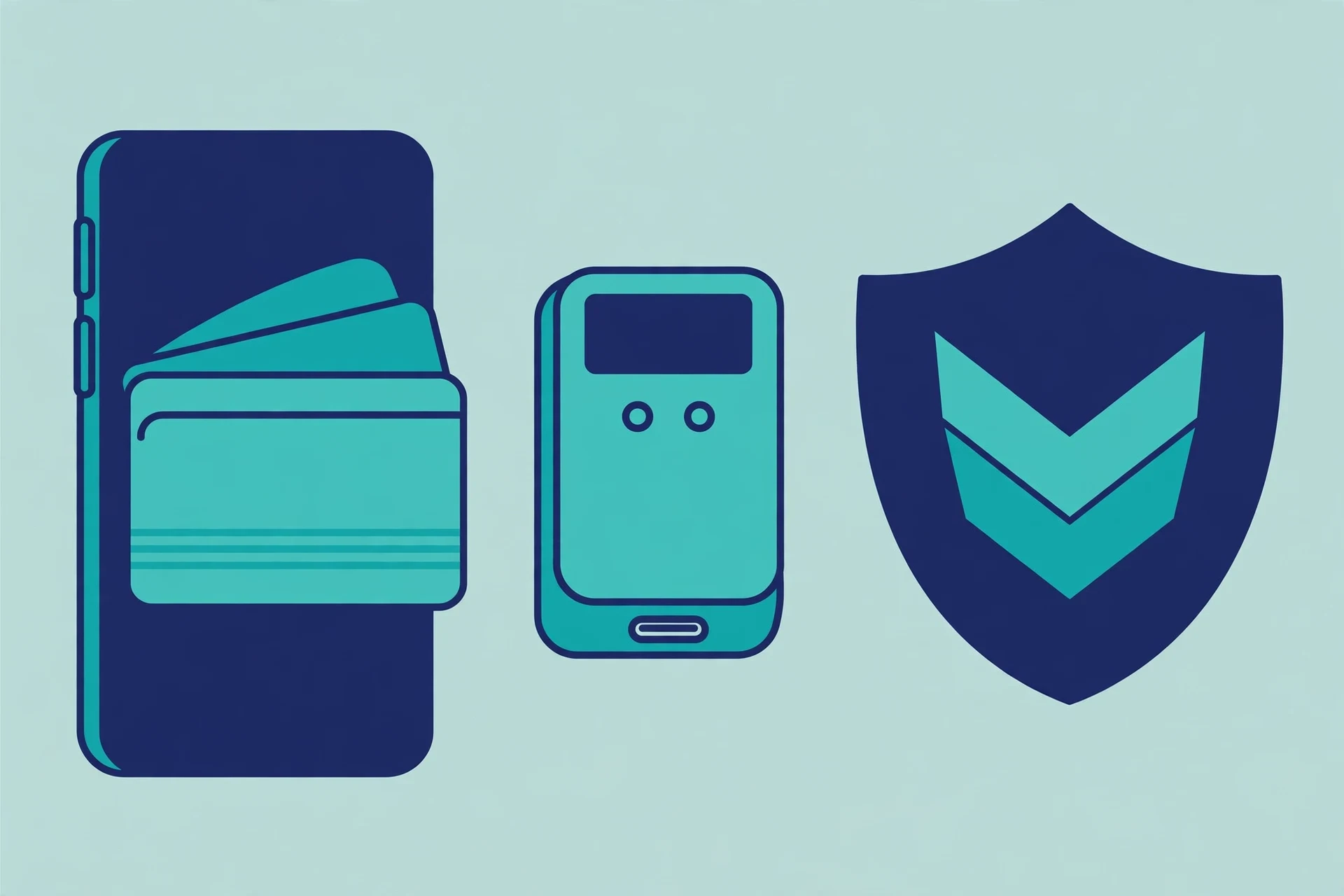
The choice usually comes down to two types of wallet: hot wallets and cold wallets. A hot wallet is connected to the internet. A cold wallet is not. That one difference — connected or not connected — explains most of the trade-offs between them. Hot wallets are convenient and easy to use, but they are more exposed to online attacks. Cold wallets are harder to use, but they are much safer from hackers, because there is no internet connection for a hacker to exploit.
This guide explains both types in plain language, without assuming you already know the jargon. You will learn what a crypto wallet actually is, how hot and cold wallets work, what each type is good for and bad for, what they cost, what mistakes beginners most often make, and how to choose the right setup for your own needs. By the end, you should be able to make a calm, informed decision, rather than copying what someone else does or buying the first wallet you see advertised.
What Is a Crypto Wallet, Really?
Before comparing hot and cold wallets, it helps to be clear about what a wallet actually does, because the word “wallet” is misleading. A crypto wallet does not hold your coins in the way a physical wallet holds cash. Your coins live on the blockchain, which is a public record spread across many computers. What your wallet holds is the keys that let you access and move those coins.
There are two keys that matter. The first is a public key, which is like an account number. You can share it with other people so they can send you crypto. The second is a private key, which is like a password, except far more powerful. Whoever holds the private key can move the coins. If you lose the private key, you lose access to the coins. If someone else gets it, they can take the coins, and there is usually no way to get them back.
Most wallets do not ask you to manage the private key directly. Instead, they give you a recovery phrase, sometimes called a seed phrase. This is a list of words, usually twelve or twenty-four, that can be used to recreate your private keys. That phrase is the most important thing in crypto. Anyone who has it can take your funds. Anyone who loses it can lose their funds. Everything about wallet safety comes back to that phrase: protect it, never share it, and never store it where someone else can find it.
That is why the choice between hot and cold wallets matters. Both types of wallet hold your keys, but they hold them in very different places, with very different levels of exposure to the internet. A hot wallet keeps your keys on a device that is connected to the internet. A cold wallet keeps them on a device that is not connected. That difference determines how easy it is for a hacker to reach them.
For a fuller introduction to the basics, see our beginner’s guide on how to choose a crypto wallet and stay safe.
What Is a Hot Wallet?
A hot wallet is any crypto wallet that is connected to the internet. That includes most of the wallets beginners use first: mobile apps, browser extensions, desktop software, and the wallets built into crypto exchanges.
A mobile wallet is an app on your phone. You download it, create a wallet, and you can send, receive, and trade crypto from your pocket. A browser wallet is an extension that lives in your web browser, so you can connect to websites and apps with a click. A desktop wallet is software you install on your computer. An exchange wallet is the wallet a centralised exchange provides when you create an account — your coins are held in an account on the exchange’s system, and you access them by logging in.
All of these are hot wallets, because the device or system that holds your keys is online. That connection is what makes them convenient. You can open the app, approve a transaction, and be done in seconds. You can trade quickly, react to a price change, or pay someone without having to find another device or plug anything in.
That convenience comes with a trade-off. Because the wallet is connected to the internet, it is exposed to the same risks as any other connected software. If your phone or computer is infected with malware, if you download a fake app, if you click a malicious link, or if you connect your wallet to a scam website, your keys can be stolen. The risk is not theoretical. Wallet theft is one of the most common ways people lose crypto, and it often happens to people who were careful in other areas but made one mistake online.
Hot wallets are also often custodial or non-custodial, and that distinction matters. A custodial wallet is one where someone else holds your keys for you. An exchange wallet is the most common example: the exchange holds the keys, and you access your funds through your account. That is convenient, because you do not have to manage a recovery phrase, and you can reset your password if you forget it. But it also means you are trusting the exchange. If the exchange is hacked, goes bankrupt, or freezes your account, you may not be able to access your funds. A non-custodial hot wallet is one where you hold your own keys, usually through a recovery phrase. That gives you more control, but it also gives you more responsibility. If you lose the phrase, nobody can help you get it back.
When a Hot Wallet Makes Sense
A hot wallet makes sense when you need quick access to your crypto. If you trade regularly, if you use decentralised apps, if you make frequent payments, or if you are still learning and want to try small transactions, a hot wallet is the practical choice. It is also the sensible choice for small amounts — money you are actively using, rather than money you are holding for the long term.
Think of it like the cash in your physical wallet. You keep a small amount there because it is convenient, and you accept that it could be lost or stolen. You do not keep your life savings in your pocket. The same idea applies to crypto. A hot wallet is for spending money, trading money, and learning money — not for everything you own.
Many experienced users keep a hot wallet with a small amount, and a cold wallet with the bulk of their holdings. That way, if the hot wallet is compromised, the loss is limited. That split is one of the most useful habits a beginner can learn early, before they have large amounts at stake.
What Is a Cold Wallet?
A cold wallet is a crypto wallet that is not connected to the internet. The most common type is a hardware wallet, which is a small physical device, about the size of a USB stick, that stores your private keys offline. You connect it to your computer or phone only when you need to approve a transaction, and you disconnect it afterwards. While it is disconnected, there is no internet connection for a hacker to use to reach your keys.
There is also a simpler form of cold storage: a paper wallet. This is a piece of paper with your keys or recovery phrase written on it, stored somewhere safe. Paper wallets are less common now than they used to be, because they are easy to lose, damage, or copy, and because hardware wallets are more practical. But the basic idea is the same: keep the keys offline, where the internet cannot reach them.
The key point about a cold wallet is that transactions are signed offline. When you want to send crypto, you prepare the transaction on your computer, send it to the hardware device, approve it on the device itself, and the device signs it without ever exposing your private key to the internet. The signed transaction is then sent back to the computer and broadcast to the network. Your key never leaves the device, and it never touches the internet.
That design makes cold wallets far safer from online attacks than hot wallets. A hacker cannot steal your keys over the internet if your keys are not on the internet. They would need physical access to your device, and your PIN or password, to take your funds. That is a much harder attack, and it is why cold wallets are recommended for long-term storage.
Cold wallets are not perfect, though. They cost money to buy, they take longer to use, and they can be lost, damaged, or stolen. If you lose the device and you do not have your recovery phrase, you lose access to your funds. If someone finds your recovery phrase, they can take your funds even without the device. A cold wallet protects you from online attacks, but it does not protect you from your own mistakes, and it does not protect you if you store your recovery phrase carelessly.
When a Cold Wallet Makes Sense
A cold wallet makes sense when you are holding crypto for the long term and you do not need to access it often. If you have bought crypto as a long-term holding, if the amount is large enough that losing it would be a serious problem, or if you simply want the highest level of security you can reasonably achieve, a cold wallet is the right choice.
It is also the right choice if you are the kind of person who worries about security. A hot wallet requires constant vigilance: checking links, avoiding scams, keeping your device clean. A cold wallet reduces that burden, because your keys are offline most of the time. You still need to be careful — you still need to protect your recovery phrase, and you still need to check addresses before you send funds — but the day-to-day risk is lower.
A cold wallet is less useful if you trade frequently or use decentralised apps every day. Connecting and disconnecting a hardware device for every small transaction quickly becomes tedious, and many people who try to use a cold wallet for active trading end up switching back to a hot wallet for convenience. That is why the split approach — cold for holding, hot for using — works so well for many people.
Hot vs Cold Wallets: A Side-by-Side Comparison
It can help to put the two types side by side, so the trade-offs are clear. The table below is a summary, and the sections that follow explain each point in more detail.
A hot wallet is connected to the internet, easy and fast to use, free or very cheap, good for trading and everyday use, and more vulnerable to online attacks. A cold wallet is offline, slower and less convenient to use, costs money to buy, good for long-term storage, and much safer from online attacks.
On security, cold wallets are clearly stronger against hackers, malware, and phishing attacks that target connected devices. Hot wallets are weaker on that front, because their keys are on an internet-connected device. On convenience, hot wallets are clearly stronger. You can use them in seconds, from anywhere, without extra hardware. Cold wallets require you to have the device with you, connect it, and approve the transaction on the device itself.
On cost, hot wallets are usually free to download and use, although you still pay network fees when you send transactions. Cold wallets cost money to buy, and you may need to replace them if they are lost or damaged. On recovery, both types depend on your recovery phrase. If you lose the phrase, you lose access, regardless of which type of wallet you used. If you keep the phrase safe, you can recover your wallet on a new device, whether it is hot or cold.
On control, a non-custodial wallet of either type gives you control of your own keys. A custodial hot wallet, such as an exchange wallet, does not. That is an important distinction, and it is separate from the hot-versus-cold question. You can have a non-custodial hot wallet, a custodial hot wallet, and a non-custodial cold wallet. What you cannot have is a custodial cold wallet in the same sense, because cold storage is about you holding your own keys offline.
The Costs of Each Type
Hot wallets are usually free. You download an app or a browser extension, create a wallet, and you are ready to go. You will still pay network fees when you send transactions, and you may pay trading fees if you use an exchange, but the wallet itself does not cost anything. That makes hot wallets the natural starting point for beginners, who are still learning and do not want to spend money before they understand what they are doing.
Cold wallets cost money. A hardware wallet is a physical product, and you need to buy it from the manufacturer or from an authorised seller. The price varies by model, but it is a real cost, and it is worth considering whether the amount you are holding justifies it. If you hold a very small amount, the cost of a hardware wallet may be more than the value of your crypto, and a hot wallet may be more sensible until your holdings grow. If you hold a larger amount, the cost is a small price for the extra security.
There are also hidden costs to consider. A cold wallet takes time to set up and to use. That time has a value, especially if you trade often. A hot wallet takes less time, but it requires more vigilance, and a mistake can be costly. Neither type is free in the full sense. The question is which kind of cost — money and time, or risk and vigilance — you are more willing to bear.
Be careful about where you buy a hardware wallet. Buy it directly from the manufacturer or from an authorised seller, never from a second-hand marketplace or an unknown seller. A used or tampered device could have been modified to steal your keys. When it arrives, check that the packaging is sealed and that the device asks you to create a new recovery phrase. If it comes with a phrase already written down, or if it asks you to use a phrase someone else gave you, do not use it. That is a common scam, and it is designed to catch beginners who do not know what to expect.
Common Mistakes Beginners Make
Wallet mistakes are one of the most common reasons beginners lose crypto, and most of them are avoidable. The first and most serious is sharing the recovery phrase. No legitimate company, support agent, or project will ever ask for your recovery phrase. If anyone asks for it — in a message, on a website, in an email, or on the phone — it is a scam. Do not share it, even if the person claims to be helping you. The same applies to your private key.
The second mistake is storing the recovery phrase digitally. Many beginners take a photo of it, save it in a notes app, email it to themselves, or store it in cloud storage. That defeats the purpose of a cold wallet, and it creates a risk for a hot wallet too. If your phone or cloud account is hacked, your phrase can be stolen. Write it down on paper, store it in a safe place, and consider making a second copy stored separately. Never store it in a place that is connected to the internet.
The third mistake is using a fake wallet app. Scammers create apps that look like popular wallets but are designed to steal your keys. Only download wallets from the official website or from the official app store, and check the developer name and reviews carefully. If a wallet app asks for unusual permissions, or if it was recommended to you by a stranger, be suspicious.
The fourth mistake is connecting a wallet to a scam website. Many scams work by getting you to connect your wallet to a malicious site, which then asks you to approve a transaction that drains your funds. Before you connect your wallet to any site, check the address carefully, make sure it is the real site, and be careful about what you approve. If a site asks you to approve something you do not understand, do not approve it. You can always disconnect and check later.
The fifth mistake is sending funds to the wrong address or the wrong network. Crypto transactions are generally very hard to reverse, so a mistake can be permanent. Always copy and paste addresses rather than typing them, check the first and last few characters, and send a small test amount first if you are sending to a new address. Also check the network: sending tokens on one network to an address that expects them on another network can result in a loss.
Our guide on how to spot crypto scams and rug pulls covers many of these tricks in detail, and it is worth reading before you use any wallet for the first time.
How to Choose the Right Wallet for You
There is no single best wallet for everyone. The right choice depends on how much crypto you hold, how often you use it, and how comfortable you are with managing your own security. Here are some practical guidelines.
If you are a complete beginner with a small amount, start with a reputable non-custodial hot wallet. It is free, easy to use, and it will teach you the basics: how to send and receive, how to check a transaction, and how to protect a recovery phrase. Keep the amount small while you learn, and treat the experience as education.
If you trade regularly or use decentralised apps, you will need a hot wallet for day-to-day use. That is normal. The key is to keep only the amount you need for trading in the hot wallet, and to move the rest to cold storage. That way, a problem with the hot wallet does not put everything at risk.
If you are holding for the long term and the amount is meaningful to you, get a cold wallet. It is the safest practical option for storage, and it will give you peace of mind. Buy it from the manufacturer, set it up carefully, write down your recovery phrase on paper, and store that phrase somewhere safe. Test the recovery process with a small amount before you move a large amount to the cold wallet, so you know it works.
If you hold a large amount, consider using more than one wallet. You might have a hot wallet for spending, a cold wallet for long-term holding, and perhaps a second cold wallet stored in a different place as a backup. That may sound excessive, but it is a standard practice among people who hold significant amounts, and it protects you from a single point of failure.
Whatever you choose, do not rush the decision. Read the wallet’s documentation, check reviews from people you trust, and make sure you understand how recovery works before you put funds in. A wallet is not just an app. It is the key to your money, and it deserves the same care you would give to a bank account or a safe.
Setting Up a Wallet Safely: A Step-by-Step Approach
Setting up a wallet is straightforward, but it is worth doing slowly and carefully, especially the first time. The steps below apply to both hot and cold wallets, with small differences noted where they matter.
First, choose a reputable wallet. Look for one that is widely used, well reviewed, and open about how it works. Avoid wallets that were recommended by a stranger, advertised with promises of free money, or downloaded from an unofficial source.
Second, download or buy the wallet from the official source. For a hot wallet, that means the official website or the official app store. For a cold wallet, that means the manufacturer or an authorised seller. Check the address carefully, and do not click links in messages or emails to get to the download page.
Third, create your wallet and write down your recovery phrase. When the wallet shows you the phrase, write it down on paper, in order, and check it twice. Do not take a photo of it, do not type it into your computer, and do not share it with anyone. If the wallet is a hardware wallet, it will show the phrase on the device itself. That is normal, and it is one of the safety features of the device.
Fourth, store the phrase somewhere safe. A safe, a locked drawer, or another secure place in your home is a good start. Consider making a second copy and storing it in a different place, so that a fire or flood does not destroy your only copy. Do not store it in a bank safety deposit box without thinking through who can access it, and do not store it with someone you do not fully trust.
Fifth, test the wallet with a small amount. Send a small amount of crypto to the wallet, then send a small amount back out, to make sure you understand how it works. If it is a cold wallet, practise recovering it using the phrase, so you know the process works before you rely on it. Only move a larger amount once you are confident.
Sixth, keep your wallet software up to date. Wallet developers release updates to fix bugs and security problems. Install them promptly, but only from the official source. Be suspicious of messages that tell you to update urgently or to download an update from a link.
What Happens If You Lose Your Wallet or Your Phrase?
This is the question beginners are most afraid to ask, and it is important to answer it honestly. If you lose your phone or your hardware device, but you still have your recovery phrase, you can recover your wallet on a new device. You install the same wallet software, enter the phrase, and your funds will be restored. That is why the phrase matters more than the device itself. The device is replaceable. The phrase is not.
If you lose your recovery phrase, and you do not have another copy, you will almost certainly lose access to your funds permanently. There is no password reset, no customer support line that can restore it, and no way to prove ownership to a central authority. That is the price of controlling your own keys. It is a powerful freedom, but it comes with a serious responsibility.
If someone else gets your recovery phrase, they can take your funds, and there is usually no way to get them back. That is why you should never share the phrase, never store it digitally, and never enter it on a website. If you think your phrase has been compromised — for example, if you typed it into a website that turned out to be a scam — move your funds to a new wallet with a new phrase as quickly as you can, and treat the old wallet as unsafe.
These are harsh realities, and they are part of why crypto is not suitable for everyone. If you are not comfortable with that level of responsibility, a custodial option, such as holding crypto on a reputable exchange, may be more suitable, even though it involves trusting a third party. That is a legitimate choice, and it is better to make it consciously than to use a non-custodial wallet without understanding the risks.
To learn more about the basics of how crypto works, including the blockchain that your wallet connects to, see our guide to blockchain explained for beginners.
Frequently Asked Questions
What is the difference between a hot wallet and a cold wallet?
A hot wallet is connected to the internet, such as a mobile app or browser extension. A cold wallet is not connected, such as a hardware wallet that stores your keys offline. Hot wallets are more convenient, cold wallets are safer from online attacks.
Which is safer, a hot wallet or a cold wallet?
A cold wallet is safer from online attacks, because your private keys are never exposed to the internet. A hot wallet is more convenient, but it is more vulnerable to malware, phishing, and fake websites. Neither type protects you if you share your recovery phrase or store it carelessly.
Do I need a cold wallet as a beginner?
Not necessarily. If you hold a small amount and you are still learning, a reputable hot wallet is a sensible starting point. A cold wallet becomes more important as the amount you hold grows, and as you start holding for the long term rather than trading actively.
How much does a cold wallet cost?
A hardware wallet is a physical product, so it costs money to buy. The price varies by model. You should buy it directly from the manufacturer or an authorised seller, never second-hand, and check that it arrives sealed and asks you to create a new recovery phrase.
Can a cold wallet be hacked?
A cold wallet is much harder to hack remotely than a hot wallet, because it is offline. It can still be compromised if someone gets physical access to the device and your PIN, or if someone finds your recovery phrase. It can also be tampered with if you buy it from an untrustworthy seller, which is why you should only buy from the manufacturer.
What is a recovery phrase and why does it matter?
A recovery phrase, also called a seed phrase, is a list of words that can recreate your private keys. Anyone who has it can take your funds, and anyone who loses it can lose access to their funds. Write it on paper, store it safely, and never share it or store it digitally.
Can I use both a hot wallet and a cold wallet?
Yes, and many experienced users do. They keep a small amount in a hot wallet for trading and everyday use, and the bulk of their holdings in a cold wallet for long-term storage. That split limits the loss if the hot wallet is compromised.
Is it safe to keep crypto on an exchange?
Keeping crypto on an exchange is convenient, and you can reset your password if you forget it. But you are trusting the exchange to hold your keys and to remain solvent and honest. If the exchange is hacked, goes bankrupt, or freezes your account, you may not be able to access your funds. That is why many people move long-term holdings to a wallet they control.
What should I do if I think my wallet has been compromised?
If you think your recovery phrase or private key has been exposed, move your funds to a new wallet with a new phrase as quickly as you can. Do not delay, and do not use the old wallet again. If you are unsure how to do this safely, seek help from a trusted source, but never share your phrase with anyone offering to help.
Which wallet type is best for long-term holding?
A cold wallet, such as a hardware wallet, is generally the best choice for long-term holding, because it keeps your keys offline and away from online attacks. Make sure you protect your recovery phrase, test the recovery process with a small amount first, and store the device and the phrase separately and safely.
Conclusion
Hot wallets and cold wallets solve the same problem in different ways. A hot wallet prioritises convenience. It is connected, fast, free, and easy to use, which makes it ideal for trading, using apps, and learning. A cold wallet prioritises security. It is offline, slower, costs money, and takes more effort to use, which makes it ideal for long-term storage and for larger amounts.
Neither type is right for everyone, and neither type is safe on its own. A hot wallet is only as safe as the device it runs on and the care you take online. A cold wallet is only as safe as the recovery phrase you store and the place you store it. The safest approach for most people is not to choose one and ignore the other, but to use both: a hot wallet with a small amount for active use, and a cold wallet with the bulk of your holdings for the long term.
Whatever you choose, take the time to set it up properly. Write down your recovery phrase on paper, store it safely, never share it, test the wallet with a small amount first, and be careful about which websites and apps you connect to. Those simple habits will protect you more than any single product, and they will serve you well as you learn more about crypto. The technology is powerful, but it rewards patience and care, and it punishes haste. Learn slowly, keep amounts small while you learn, and never invest money you cannot afford to lose.